Every construction or structural task relies on precision, safety, and strength. Selecting a steel fabricator plays a big part in how the final result turns out. From assembling structural frameworks to producing detailed parts, the fabricator’s skill and setup influence the project’s quality and pace.
Proven track record in similar projects
Experience across similar jobs gives a better sense of what steel fabricators in Dubai can handle. Rather than just counting years in business, reviewing completed projects that match your scale and type helps assess practical ability. It shows how the fabricator deals with deadlines, specifications, and coordination with other contractors.
Advanced machinery and facilities
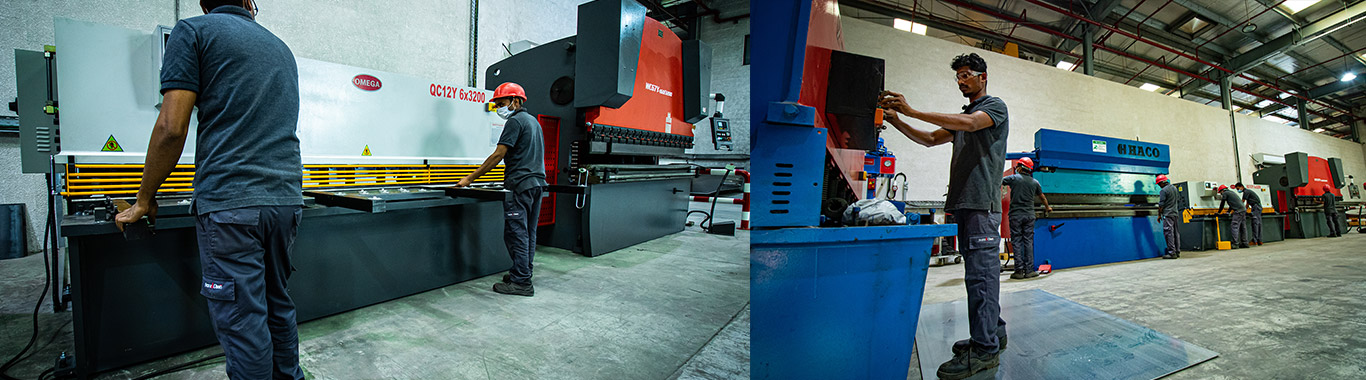
A strong facility setup supports faster production, better cuts, and accurate welding. Machinery that is updated and suited for different thicknesses, shapes, or finishes allows the fabricator to match specific project instructions. In-house capabilities for cutting, welding, bending, and painting reduce delays caused by outsourcing.
Skilled and trained workforce
Precision in steel fabrication depends on people. Certified welders, machine operators, and technicians working together under clear processes ensure that the components are fabricated to the right measurements. A fabricator with an experienced team often maintains consistency across batches and follows safety standards closely.
Quality checks at every stage
Steel components form the backbone of the structure. Quality checks during and after fabrication help identify errors before delivery. Measuring tolerances, checking weld strength, and confirming alignment are parts of this process. A reliable fabricator carries out these checks regularly and keeps clear documentation.
On-time delivery and flexibility
Delivery schedules affect project timelines. A fabricator who follows through on promised delivery dates and handles sudden changes without slowing down work is valuable. The ability to adjust to volume shifts or updated drawings without affecting quality shows strength in management and planning.
Good coordination with other teams
Clear communication with designers, engineers, and builders prevents rework. A fabricator who reads detailed drawings accurately, asks relevant questions, and keeps updates flowing is more likely to produce components that match what the project calls for.
Steel fabrication involves high heat, sharp edges, and heavy machinery. Following safety procedures protects both workers and the site. A fabricator with recognised safety certifications and clean safety records builds trust and reduces risk during production and delivery.